I'm Afif Shaqir Irfan
bin Arqam
2017-2021SIJIL PELAJARAN MALAYSIA (ELECTRICAL STREAM)
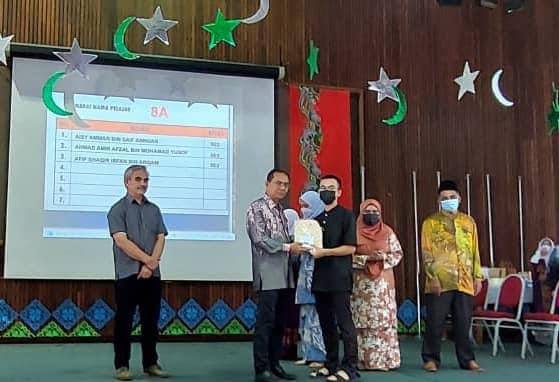
In my secondary level,I managed to secure a result of 8A and 2B+
 2022-2023FONDATION IN ENGINEERING AND TECHNOLOGY
In my foundation level,I managed to get into Kolej MARA Kuala Nerang and finish it with a 3.97 CGPA result.
.jpg)
2023-2027BACHELOR OF COMPUTER SCIENCE (DATA ENGINEERING)
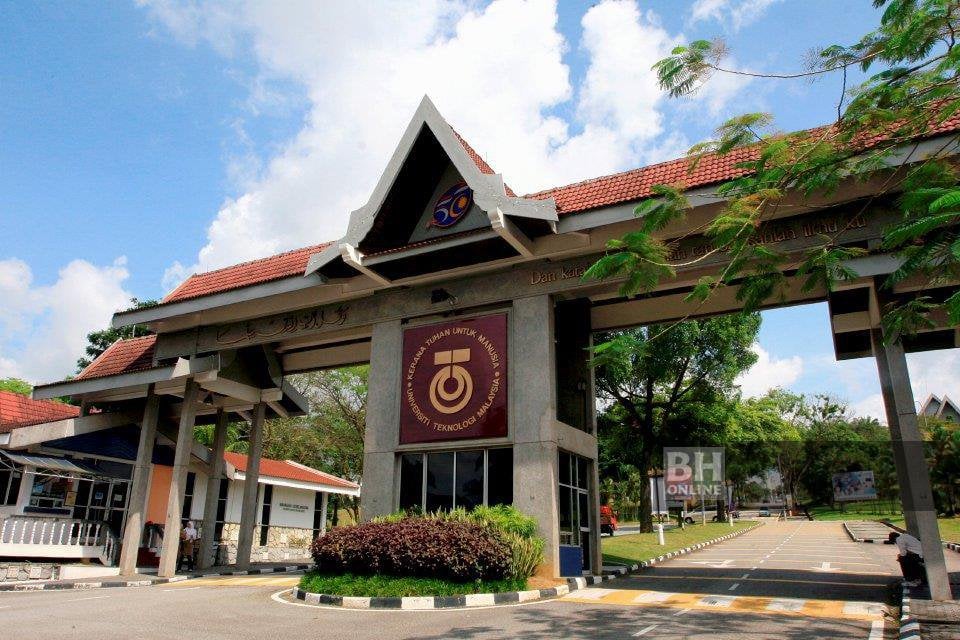
Moving to my under graduate level,I manage to get into
Universiti Teknologi Malaysia,Johor to pursue my degree in Computer Science(Data Engineering)
I am very grateful as I get my dream course.
MY DEGREE PROJECT'S
.jpg)
The study and use of technology-related concepts in the management and analysis of information within organisational contexts is usually the main focus of a Technology Information Systems course. It covers a wide range of subjects, including as database administration, network technologies, information systems development, cybersecurity, and integrating technology to improve business processes. It is common for students to study the design, implementation, and maintenance of information systems in order to facilitate decision-making, optimise workflows, and handle security issues. The course may also address industry best practices, emerging technologies, and the moral issues surrounding the use and handling of information in a technology environment.
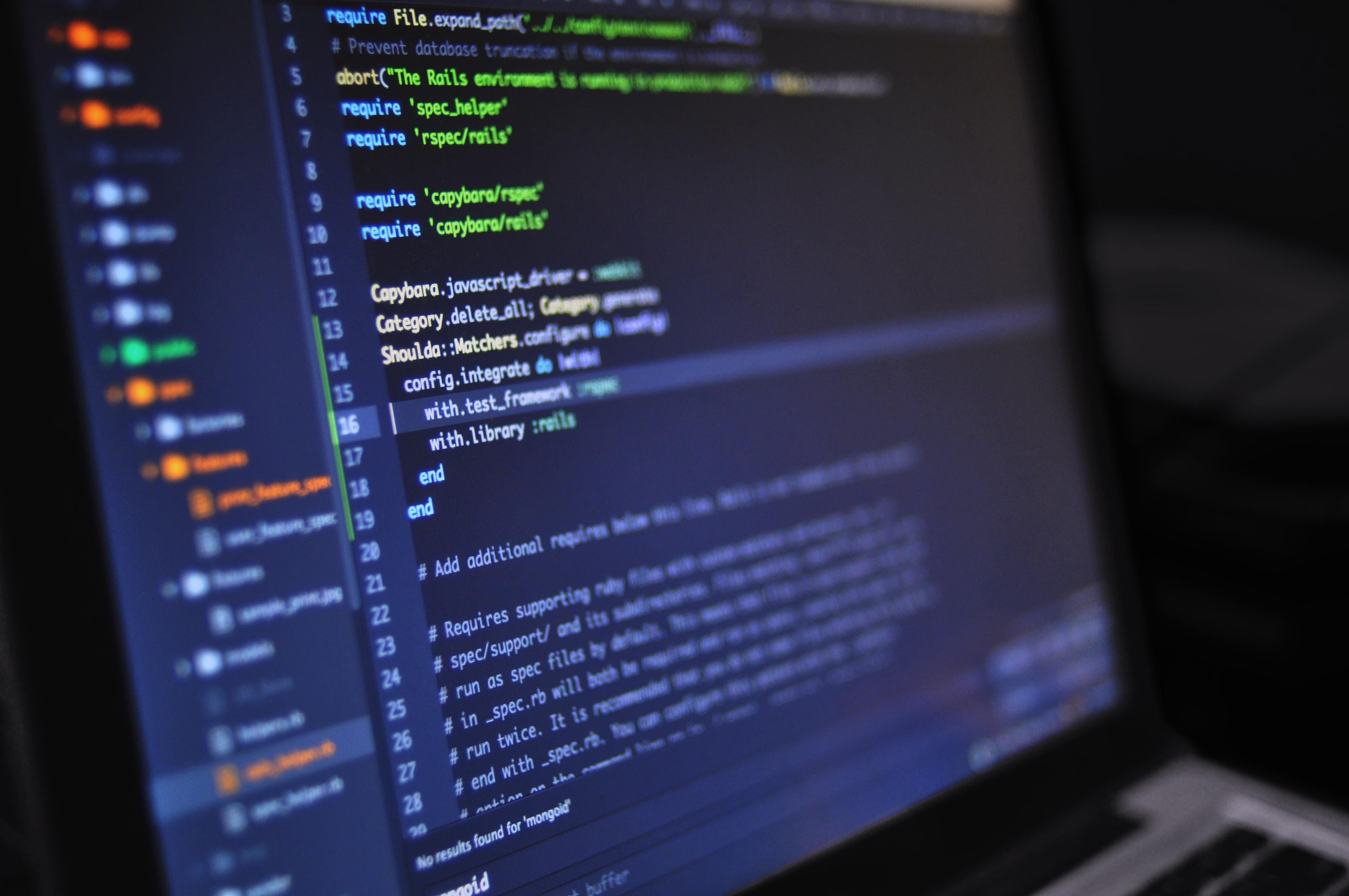
As a fundamental subject, this course equips the students with theory and practice on problem
solving techniques by using the structured approach. Students are required to develop programs
using C++ programming language, in order to solve simple to moderate problems. The course
covers the following: preprocessor directives, constants and variables, data types, input and
output statements, control structures: sequential, selection and loop, built-in and user-defined
functions, single and two dimensional arrays, file operations, pointers, and structured data
types.
 (1).jpg)
Digital electronics is the foundation of all microprocessor-based systems found in computers, robots, automobiles, and industrial control systems. This course introduces the students to digital electronics and provides a broad overview of many important concepts, components, and tools. Students will get up-to-date coverage of digital fundamentals-from basic concepts to programmable logic devices. Laboratory experiments provide hands-on experience with the simulator software, actual devices and circuits studied in the classroom
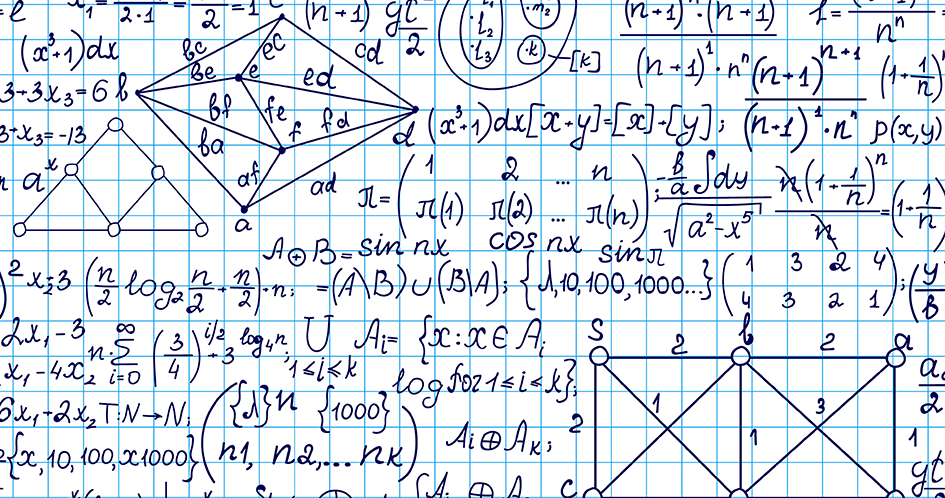
This course introduces students to the principles and applications of discrete structure in the field
of computer science. The topics that are covered in this course are set theory, proof techniques,
relations, functions, recurrence relations, counting methods, graph theory, trees and finite
automata. At the end of the course, the students should be able to use set theory, relations and
functions to solve computer science problems, analyze and solve problems using recurrence
relations and counting methods, apply graph theory and trees in real world problems and use
deterministic finite automata finite state machines to model electronic devices and problems.

coming soon

coming soon